Source American Style PS Plastic Pitcher for Kitchen, Hotel, Bar
Compare 30 listings for the american style ps plastic pitcher suitable for electric kettles, water storage, and beverage service. Buyers can review specifications like volume, material, and certifications from verified Chinese manufacturers.
Key considerations
Products List


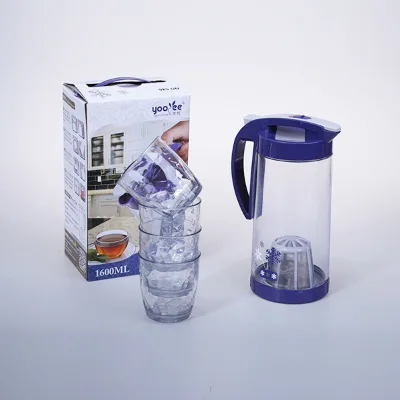

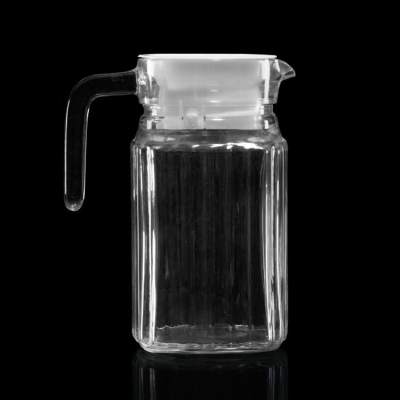


Comprehensive Sourcing Guide
American Style PS Plastic Pitcher Sourcing Guide
Sourcing American-style pitchers made from Polystyrene (PS) plastic requires a careful balance between aesthetic appeal, functional durability, and regulatory compliance. These products are distinct from their polypropylene (PP) or Tritan counterparts, primarily due to the material’s high clarity and rigid structure, which mimics the look of glass while offering shatter resistance. Buyers must navigate the specific thermal and chemical limitations of PS to ensure the final product meets the intended use case, whether for cold beverages, room-temperature storage, or specific commercial environments. The following guide outlines the critical verification steps, technical parameters, and commercial considerations necessary for a successful procurement cycle.
Product Scope and Observed Listing Signals
The current market landscape for PS plastic pitchers reveals a diverse range of configurations, with observed listings indicating a price range from $0.20 to $6,500 USD and Minimum Order Quantities (MOQs) spanning from 1 to 30,000 pieces. This wide variance suggests that the category includes everything from small, single-unit samples or specialized industrial components to bulk commercial inventory for hotels, restaurants, and bars. Buyers should note that the "American style" designation often correlates with specific volume capacities, such as the observed 1800ml or 1-2 liter ranges, and design elements like round shapes or European-inspired aesthetics that have been adapted for broader market appeal.
Listing signals also highlight significant variation in packaging and origin, with many suppliers based in Guangdong, China, offering products packed in PE bags or cartons, such as 12 pieces per carton or 24 pieces per carton. Some listings specify detailed carton dimensions like 554423.5cm, which is crucial for calculating freight costs and warehouse storage requirements. Additionally, the presence of models like 1217, 1682, and 1835 indicates a standardized production framework where buyers can expect consistent sizing, such as the 10.5x10.5x17.1cm footprint observed for certain beer pitchers. It is essential to verify whether the listed price includes the cover, as some products are sold with lids while others are sold without, directly impacting the total cost per unit.
Technical Specifications to Verify
When evaluating technical specifications, the material composition is the primary differentiator. While the core keyword specifies PS plastic, some observed listings mention generic "Plastic" without specifying the resin type. Buyers must confirm that the material is indeed Polystyrene, as PS has a lower heat resistance threshold compared to other plastics. The observed standard dimensions, such as T136+50*H189mm or full-size variants, should be cross-referenced with the product model numbers to ensure compatibility with existing kitchen equipment or storage systems. Furthermore, the feature of being "leakproof" is a critical performance attribute that must be validated through sample testing, especially for pitchers intended for liquid transport or serving.
Design and customization options also play a vital role in the technical evaluation. Listings indicate that customization is available, with some suppliers utilizing UG design software for mold creation. Buyers should verify the mold cavity configuration, as single-cavity molds may offer different production speeds and cost structures compared to multi-cavity setups. The style of the pitcher, whether described as "Country," "European," or simply "Round," affects the mold complexity and potentially the material usage. Additionally, the application scope, which includes electric kettles, water kettles, and thermal insulation kettles, requires careful scrutiny; PS is generally not suitable for high-heat applications like boiling water, so buyers must ensure the product is not marketed for thermal insulation if it is made of standard PS.
Compliance and Safety Documentation
Regulatory compliance is non-negotiable for food-contact plastics, and buyers must request specific certification documents before placing bulk orders. Observed listings mention certifications such as FDA, Ios/EU, NSF, and SGS, which are critical for selling in North American and European markets. However, the presence of a certificate label does not guarantee that the specific batch of PS plastic meets current regulatory standards. Buyers should verify that the certifications are valid, up-to-date, and specifically cover the product type (e.g., food-grade PS) and the intended use (e.g., cold vs. hot liquids). The "Sustainable" attribute mentioned in some listings should be backed by verifiable data, such as recyclability codes or content percentages, rather than vague marketing claims.
Documentation should also include material safety data sheets (MSDS) and migration test results to ensure that no harmful substances leach into beverages. For products intended for commercial use in hotels, restaurants, and bars, compliance with local health department regulations is essential. Buyers should confirm that the supplier can provide test reports from accredited laboratories, particularly for heavy metal content and bacterial resistance. The "Fixed" installation attribute and "Single" type designation suggest these are standalone items, but buyers must still ensure that the plastic resin used is approved for direct food contact in the destination country.
Cost Drivers and Commercial Terms
Several factors influence the final cost of PS plastic pitchers, including raw material prices, mold complexity, and order volume. The observed MOQ of 480 pieces for certain models suggests that smaller orders may incur higher per-unit costs due to setup fees and lower production efficiency. Buyers should analyze the cost breakdown to understand how much of the price is attributed to the resin, the mold amortization, and the packaging materials. The packaging method, whether it is simple PE bags or more robust cartons with specific dimensions, also impacts the cost and the overall logistics efficiency.
Commercial terms such as delivery time and payment conditions are critical for cash flow management. Observed lead times vary, with some listings indicating a sample time of 7 days and a production delivery time of 35 days. Buyers must clarify whether these timelines are realistic for their specific order size and customization requirements. Additionally, the availability of samples is a key commercial term; while some suppliers offer samples, buyers should confirm the cost and whether it is deductible from the bulk order. Understanding the Incoterms, such as FOB or EXW, is also essential for calculating the total landed cost, especially when sourcing from regions like Guangdong, China.
Supplier Qualification and Quality Control
Supplier qualification begins with verifying the manufacturer’s production capabilities and quality management systems. Buyers should request evidence of the supplier’s experience in producing PS plastic pitchers, including their mold design expertise and production capacity. The use of UG design software and HASCO standards, as mentioned in some listings, indicates a level of technical sophistication that can be a positive indicator of quality control. However, buyers must also assess the supplier’s ability to maintain consistency across large production runs, particularly when dealing with multicolor or transparent finishes that may be prone to visual defects.
Quality control protocols should be established before production begins. This includes defining clear acceptance criteria for dimensions, weight, and visual appearance. Buyers should consider implementing third-party inspections during production and before shipment to catch any defects early. The "Customized" nature of some products requires additional scrutiny, as custom molds introduce a higher risk of deviation from specifications. Establishing a clear communication channel for addressing quality issues and defining the process for handling non-conforming goods is essential for maintaining a reliable supply chain.
Long-Term Procurement Checks
Long-term procurement success depends on continuous monitoring of supplier performance and market trends. Buyers should regularly review supplier delivery times, quality consistency, and responsiveness to issues. The plastic resin market is subject to price fluctuations, so buyers should establish mechanisms for cost adjustment or long-term pricing agreements to mitigate risk. Additionally, staying informed about changes in regulatory standards, such as updates to FDA or EU regulations regarding PS plastic, is crucial for ensuring ongoing compliance.
Sustainability is becoming an increasingly important factor in procurement decisions. Buyers should evaluate suppliers’ efforts to reduce waste, improve recyclability, and adopt sustainable practices. This may include exploring options for recycled PS content or biodegradable alternatives, although these must be balanced with performance requirements. By maintaining a proactive approach to supplier management and market analysis, buyers can ensure a stable and compliant supply of American-style PS plastic pitchers for their business needs.
FAQs
What is the volume capacity of the plastic pitcher?
The plastic pitcher has a volume of 1800ml, which falls within the 1-2 liters range suitable for various uses. This capacity supports applications in kitchens, hotels, and restaurants for storing and serving beverages effectively.
Can the product be customized for specific needs?
Yes, customization is available for this plastic pitcher to meet specific buyer requirements. The product features a European style and is designed for electric or thermal insulation kettles, allowing for tailored solutions in packaging and storage.
Which certifications does the plastic pitcher hold?
The product holds certifications including FDA, SGS, and Ios/EU/NSF standards. These certifications ensure the material meets safety and quality requirements for use in food and beverage applications across different international markets.
How long is the delivery lead time for orders?
The standard delivery lead time is 35 days from the order confirmation date. Sample time is typically 7 days, allowing buyers to verify quality before committing to larger production runs with the specified carton dimensions.
What is the minimum order quantity for this item?
The minimum order quantity is 480 pieces for this specific plastic pitcher model. This MOQ applies to the transparent or multicolor options available, ensuring efficient packaging and shipping logistics for bulk buyers.
Where is the product manufactured and shipped from?
The product originates from China, specifically the Guangdong region. This location supports the manufacturing of various models like 1217 and DR3047, ensuring consistent quality and availability for global sourcing needs.
What is the packaging configuration for the pitchers?
Packaging is configured as 1 piece per PE bag and 12 pieces per carton for standard models. Other variants may use 24 pieces per carton, with dimensions of 55*44*23.5cm to optimize shipping and storage efficiency.